Picture walking into a room where history whispers through metal and glass. That’s exactly what happens when someone mentions the Labarty Trophy in collecting circles. But here’s the twist most people miss: this isn’t just about shiny awards sitting in dusty cabinets.
The story gets interesting when you realize how one name connects championship glory, market dynamics, and a person who changed the game entirely.
Vince Labarty Changed Everything
Let me take you back to when Vince Labarty first made waves. This wasn’t your typical trophy manufacturer story. He understood something fundamental that others ignored: people don’t just buy awards, they buy memories frozen in time.
His approach? Simple but revolutionary:
- Craft pieces that tell stories without words
- Use materials that age like fine wine
- Design with future collectors in mind, not just current winners
The market noticed. Hard.
How the Labarty Market Actually Works
Here’s where things get practical. The Labarty market operates differently than standard trophy circuits. Think less “order and deliver,” more “invest and appreciate.”
Current market dynamics show:
Primary buyers include sports organizations, corporate achievement programs, and private collectors who know value when they see it. These aren’t impulse purchases. People research, compare, then commit.
Price points vary wildly based on age, condition, and historical significance. A recent Labarty piece from the 1980s sold for triple its original value. Not because of inflation, but because the craftsmanship simply doesn’t exist anymore at that level.
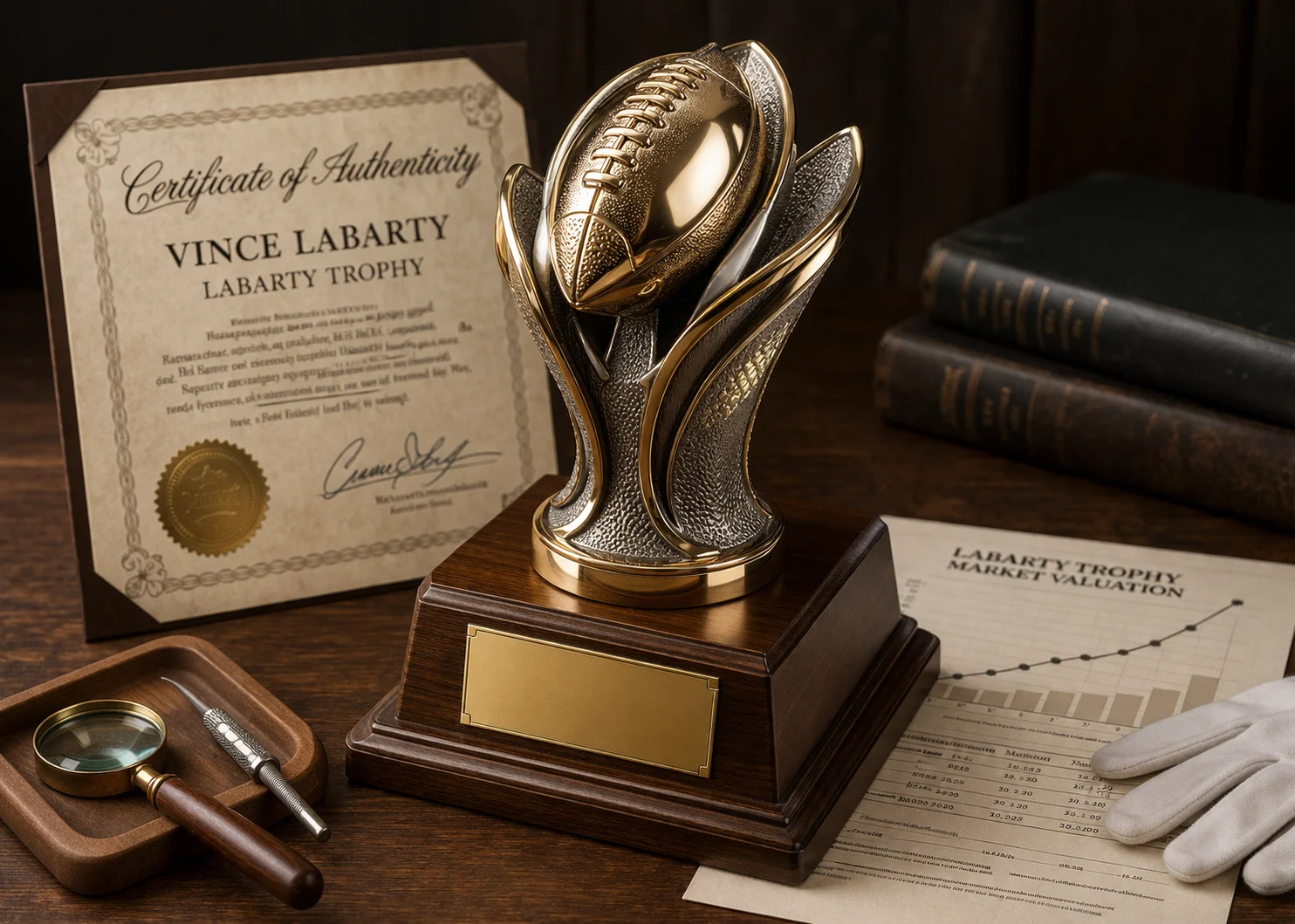
Authentication matters more now than ever before. With reproductions flooding certain markets, genuine Labarty pieces carry verification marks that experts can spot instantly.
What Makes Something “Labarty”
This question pops up constantly in collector forums and auction houses. The answer isn’t straightforward because Labarty represents both a brand and a standard.
At its core, authentic Labarty means:
Premium metal alloys that resist tarnishing while developing character over decades. You’ll notice the weight immediately when holding one. There’s substance behind the shine.
Detail work that modern manufacturing often skips. Zoom in on any Labarty Trophy and you’ll find precision that machines struggle to replicate even today.
Historical documentation that tracks each piece’s journey. Vince Labarty started this practice early, creating provenance before most trophy makers understood its importance.
The Trophy That Started It All
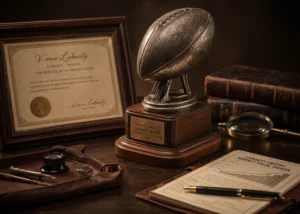
The original Labarty Trophy wasn’t designed for mass appeal. Commissioned by a regional sports league in the late 1970s, it featured unconventional design elements that judges initially questioned.
Fast forward to today, and that same design philosophy influences high-end awards globally.
What made it special? Instead of generic athletic figures, Labarty incorporated abstract elements representing perseverance, strategy, and teamwork. Winners didn’t just receive recognition; they received art.
The trophy’s base contained a time capsule element where achievement details could be stored. Decades later, organizations still discover forgotten notes and photographs sealed inside vintage Labarty pieces.
Modern Applications You Haven’t Considered
Smart collectors aren’t just buying for nostalgia. They’re finding fresh uses:
Corporate culture builders display vintage Labarty pieces in lobbies, communicating standards and heritage without saying a word.
Event planners rent authenticated pieces for galas where ambiance matters as much as the actual awards being presented.
Interior designers incorporate them into residential spaces, particularly home offices and personal libraries where they add gravitas.
Market Patterns Nobody Talks About
Trading volume spikes during specific months. September and January see the most activity, likely tied to fiscal year planning and new program launches.
Regional preferences show fascinating splits. East Coast buyers gravitate toward earlier Labarty designs with traditional elements. West Coast collectors prefer the experimental pieces from Vince Labarty’s mid-career period.
Age demographics surprise most analysts. While collectors over 50 dominate purchases, the fastest-growing segment includes buyers aged 28-35 who view these pieces as alternative investments.
Spotting Authenticity in Five Seconds
Experts use shortcuts the average person can learn quickly:
Check the weight distribution. Genuine pieces balance differently than reproductions due to specific alloy compositions.
Look for micro-engravings along base edges. These weren’t advertised features but standard practice in authentic Labarty production.
Feel the surface texture. Real pieces have subtle variations that perfectly uniform reproductions lack.
Where the Market Heads Next
Predictions are tricky, but patterns suggest clear directions:
Digital authentication will likely become standard, with NFC chips or blockchain verification for newer pieces while maintaining traditional markers for vintage items.
Customization requests are increasing, with buyers wanting Labarty-style pieces for non-traditional achievements like podcast milestones or online community contributions.
Sustainability concerns are pushing conversations about materials and production methods, potentially creating new categories within the Labarty market.
The Vince Labarty Philosophy Lives On
Even after stepping back from daily operations, Vince Labarty’s influence permeates every aspect of this market. He proved that recognition objects could transcend their basic function.
His famous quote still resonates: “A trophy should make you remember not just what you won, but who you were when you won it.”
That mindset transformed an entire industry.
The Labarty story continues evolving. Whether you’re eyeing that trophy for your mantle, researching market opportunities, or simply curious about why certain names carry weight, understanding this legacy matters.
Quality outlasts trends. Craftsmanship appreciates when everything else depreciates. And sometimes, the best investments are the ones you can actually hold in your hands and feel the decades of stories pressed into metal.
That’s what Labarty delivers. Always has, probably always will.
About the Author