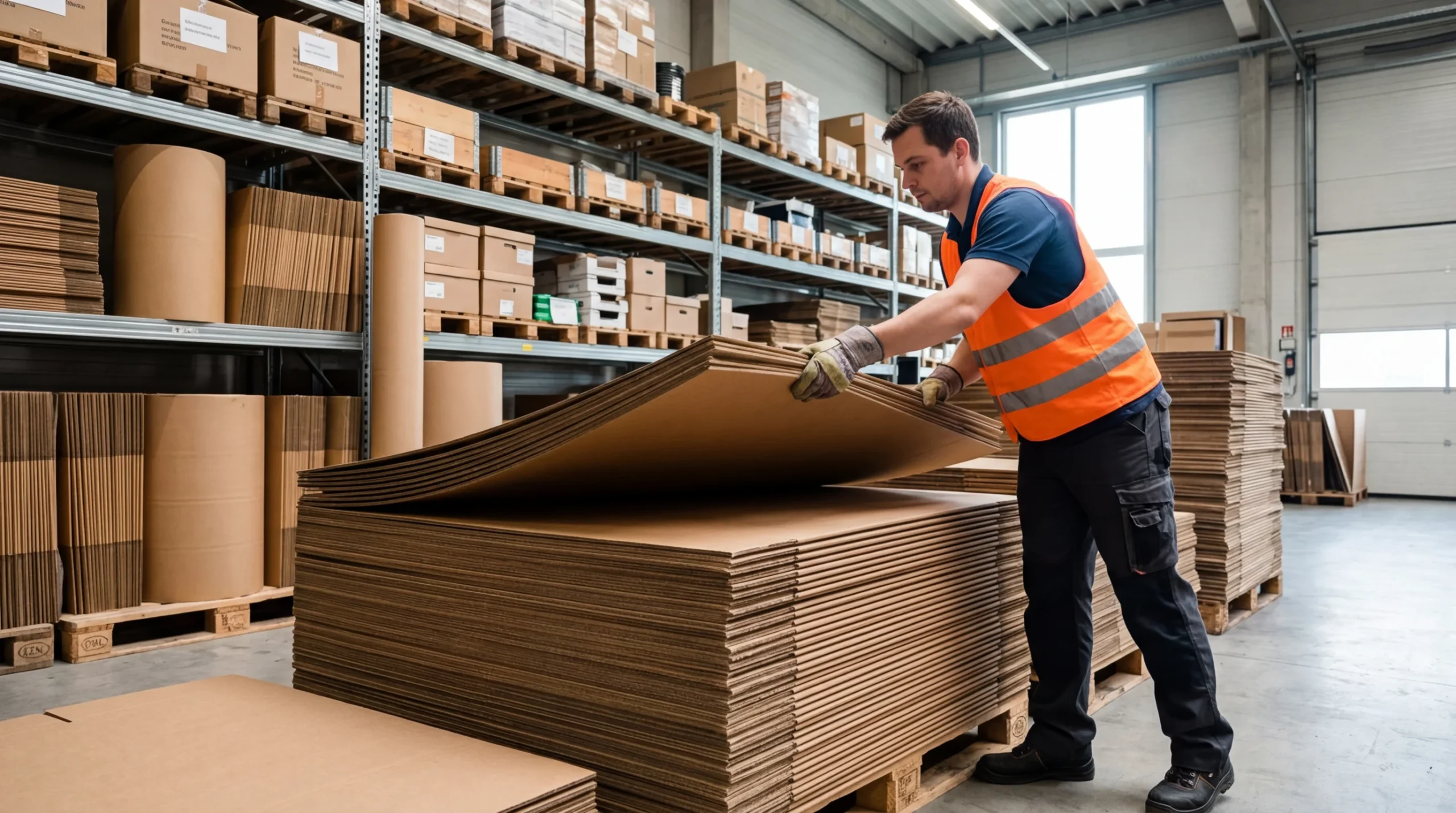
Walk into any German warehouse, craft studio, or shipping center, and you’ll spot stacks of it everywhere. Pappedeckel—those sturdy cardboard sheets—might seem ordinary, but they’re quietly revolutionizing how businesses think about packaging, protection, and sustainability.
The brown, corrugated surfaces tell stories of innovation that most people never consider.
Why German Manufacturers Can’t Stop Talking About Pappedeckel
Something shifted in 2023. While plastic dividers and foam inserts dominated logistics for decades, pappedeckel emerged as the problem-solver nobody expected.
Here’s what changed:
- Cost pressure: Plastic alternatives became 40% more expensive due to petroleum price fluctuations
- Regulatory heat: EU packaging laws now penalize non-recyclable materials
- Customer demands: B2C buyers actively reject excessive plastic packaging
Small businesses discovered they could cut packaging costs by nearly half. Not through cheaper quality—through smarter material choices.
Real-World Applications Nobody Taught You in School
Forget theoretical benefits. Let’s talk about actual use cases happening right now across Germany:
E-commerce fulfillment centers layer pappedeckel between fragile items. One Stuttgart-based online retailer reduced product damage during shipping from 8% to under 2% after switching from bubble wrap.
Furniture manufacturers use precision-cut pappedeckel as corner protectors. IKEA’s German facilities alone consume thousands of tons annually—all recyclable, all biodegradable.
Automotive suppliers discovered that heavy-duty pappedeckel withstands factory floor conditions better than expected. Parts separation, temporary surfaces, protective layers—the applications keep expanding.
The craft beer industry? They’re obsessed with it. Microbreweries use custom pappedeckel dividers for bottle packaging that doubles as brand storytelling.
The Thickness Game: What Most Buyers Get Wrong
Not all pappedeckel performs equally. This matters more than supplier websites admit.
Single-wall varieties (3-4mm thickness) work fine for lightweight separation tasks. But push beyond 5kg load capacity and you’re asking for trouble.
Double-wall options (6-8mm) handle serious weight. Think machinery parts, tile samples, or stacked glass products.
Triple-wall pappedeckel exists for industrial applications. Most businesses never need it, but when you do, nothing else works.
The mistake: Buying based on price per sheet instead of performance per application. A slightly more expensive double-wall sheet that prevents one damaged product pays for itself instantly.
Environmental Claims vs. Actual Impact
Everyone slaps “eco-friendly” labels on pappedeckel now. Let’s separate marketing from reality.
True recycling rates in Germany exceed 85% for cardboard materials—impressive but not automatic. Contamination from adhesives, coatings, or mixed materials drops recyclability fast.
What actually matters:
- Source certification (FSC or PEFC labels indicate sustainable forestry)
- Local production reduces transportation emissions
- Water-based adhesives instead of synthetic alternatives
- Absence of plastic coatings or lamination
Some manufacturers now offer pappedeckel made from 100% post-consumer waste. The quality rivals virgin fiber products, yet demand remains surprisingly low. Price difference? Usually under 8%.
Customization Options That Solve Specific Problems
Generic sheets serve basic needs. Custom solutions create competitive advantages.
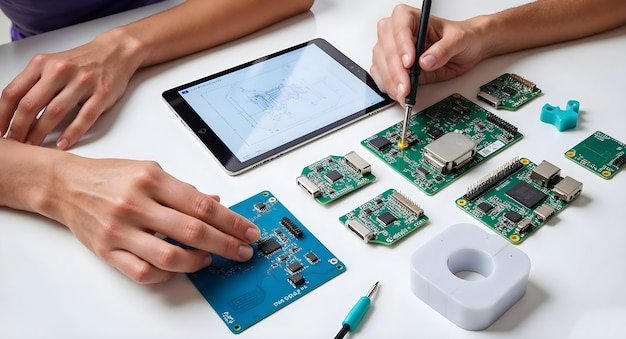
Die-cutting transforms flat pappedeckel into precise shapes. Electronics manufacturers use this for anti-static packaging that fits component geometries exactly.
Printing directly on pappedeckel eliminates separate labeling steps. Logistics companies save hours weekly on package identification.
Perforation adds functionality. Easy-tear sections, fold lines, or ventilation patterns—simple modifications that expand usability dramatically.
One Bavarian chocolatier commissioned pappedeckel with embedded herb fibers. The material itself became part of the unboxing experience, fragrant and memorable.
Price Fluctuations: What Supply Chain Managers Notice
Pappedeckel costs don’t stay stable. Understanding the drivers helps with budget planning.
Wood pulp prices follow global commodity markets. When construction booms happen worldwide, pulp becomes scarcer and pricier.
Energy costs hit German manufacturers hard. Cardboard production requires significant electricity—when energy prices spiked in 2022, pappedeckel costs jumped 30% within months.
Transportation expenses matter more than most realize. Pappedeckel is bulky relative to value. Shipping costs from distant suppliers can exceed material costs for smaller orders.
Smart procurement timing: Place bulk orders during summer months when construction seasonality typically lowers pulp demand.
Storage Mistakes That Cost Businesses Money
Pappedeckel seems indestructible until it isn’t. Improper storage creates expensive problems.
Humidity is the silent killer. Cardboard absorbs moisture, losing structural integrity and growing mold. Climate-controlled warehouses aren’t necessary, but basic weather protection is non-negotiable.
Vertical storage seems space-efficient but causes warping. Sheets stored on edge for weeks develop curves that ruin precision applications.
Best practices from logistics veterans:
- Store flat with even weight distribution
- Keep 15cm minimum distance from walls (prevents moisture transfer)
- Rotate stock—older materials should get used first
- Inspect regularly for pest damage (cardboard attracts certain insects)
One Hamburg packaging company lost €12,000 in inventory to water damage from a roof leak nobody noticed for three weeks.
The Innovation Pipeline: What’s Coming Next
Research labs are pushing pappedeckel beyond traditional limits.
Water-resistant coatings made from algae-based materials are entering commercial testing. They maintain recyclability while offering splash protection.
Strength-enhanced variants using mushroom mycelium fibers show promise. Early prototypes match plastic performance in drop tests.
Smart pappedeckel with embedded RFID tags helps track inventory without additional labeling. Several German automotive suppliers are piloting this technology now.
Some manufacturers experiment with colored pappedeckel using natural dyes. Logistics color-coding without plastic tape or labels.
Supplier Selection: Beyond the Price Tag
Choosing pappedeckel suppliers based solely on quotes creates hidden costs.
Delivery reliability matters enormously. A supplier who’s 15% cheaper but delivers late causes production delays worth far more than the savings.
Minimum order quantities trap small businesses. Some suppliers require pallet-load minimums that tie up cash and storage space unnecessarily.
Questions worth asking:
- What’s the actual lead time during peak seasons?
- Do you stock inventory or manufacture on demand?
- What’s your defect rate and replacement policy?
- Can you provide material certifications?
The best supplier relationships include technical consultation. When your needs change, knowledgeable suppliers suggest solutions you didn’t know existed.
Why This Material Keeps Winning Against Alternatives
Plastic seemed untouchable for decades. Foam dominated protective packaging. Metal ruled durability conversations.
Yet pappedeckel keeps gaining market share. The reasons go deeper than environmental trends.
Versatility beats specialization in modern supply chains. One material that handles multiple applications reduces inventory complexity.
Disposal simplicity matters more as waste management costs rise. Pappedeckel goes into standard recycling streams without special handling.
Worker safety rarely enters packaging discussions, but it should. Pappedeckel doesn’t create sharp edges like metal or static charges like some plastics. Handling injuries drop measurably.
Public perception influences B2C businesses significantly. Customers feel better about cardboard packaging—fair or not, perception drives purchasing decisions.
Making Pappedeckel Work Harder for Your Operation
Most businesses use pappedeckel at maybe 60% of its potential. Small adjustments unlock significant value.
Combine different thicknesses strategically. Heavy-duty bottom layers with lighter top sections balance protection and cost.
Pre-cut custom sizes eliminate waste. Standard sheets force you to trim and discard material—custom dimensions use everything.
Train staff on proper handling. Pappedeckel lasts longer and performs better when people understand its limitations and strengths.
Test before committing. Request samples in your actual application. What works perfectly in theory sometimes fails in real conditions.
The cardboard revolution isn’t coming—it’s already here. Pappedeckel evolved from simple packaging filler to strategic material that solves modern business challenges. Companies that recognize this shift early gain advantages in cost, sustainability, and operational efficiency that competitors struggle to match later.
Your next packaging decision might seem minor. But multiply it across thousands of units, and material choices become business strategy. Choose wisely.
About the Author