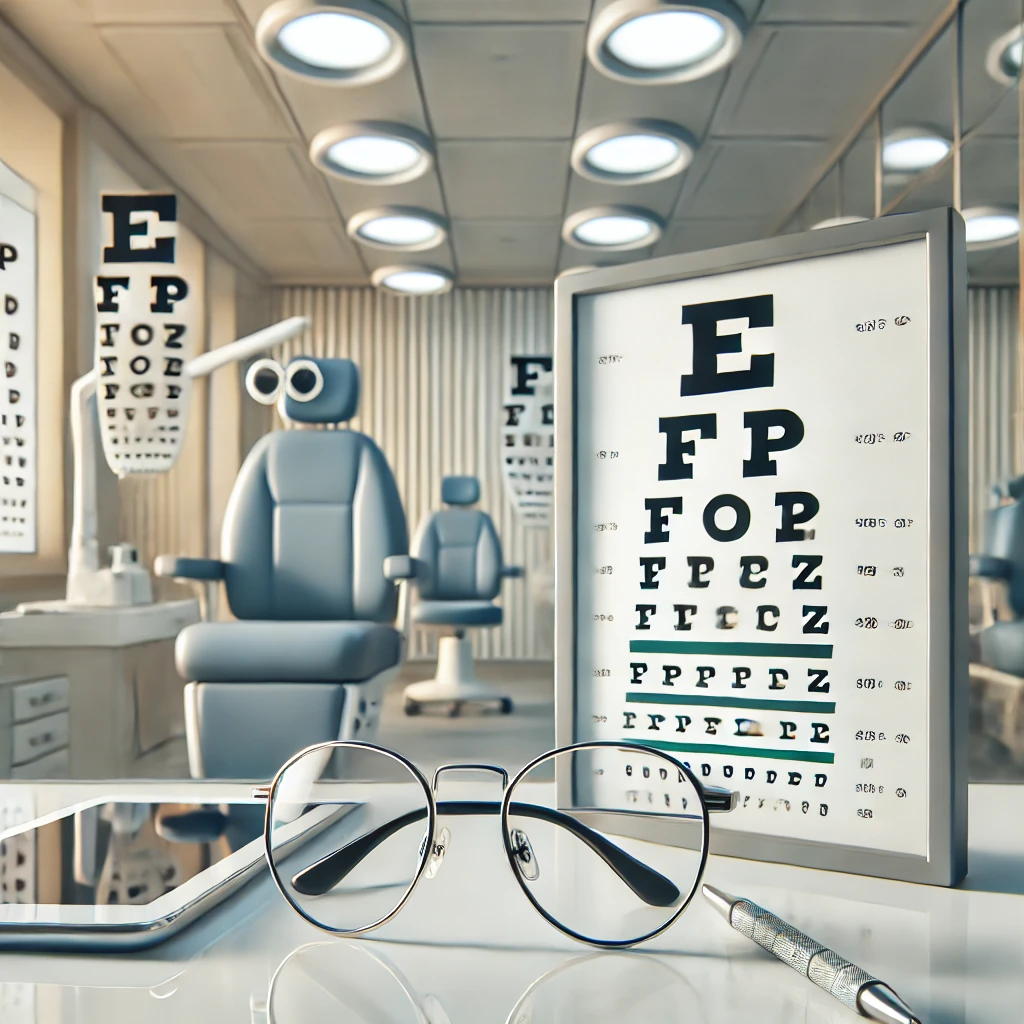
Importance of Regular Vision Screenings
Maintaining eye health is essential for ensuring clear vision and preventing potential issues that may arise as one ages. Vision screenings play a critical role in keeping the eyes healthy and detecting early signs of problems. Many people overlook the importance of regular eye check-ups, but consistent screenings can significantly affect long-term eye care. Understanding how these screenings contribute to overall health is key to maintaining good vision. For more information on eye health, visit our Eye Health Tips page.
1. Early Detection of Eye Diseases
Scheduling an annual eye exam allows for the early detection of eye diseases. Eye diseases often develop slowly and without noticeable symptoms in their initial stages. Conditions like glaucoma, cataracts, and macular degeneration can be detected early during routine screenings.
When these diseases are caught early, treatment options become more effective, and the chances of preventing vision loss increase significantly. This early intervention helps slow down or even stop the progression of eye conditions that could severely impact vision over time.
2. Monitoring Vision Changes
As people age, their eyes can change, and sometimes vision shifts subtly over time. Scheduling an annual eye exam at eye specialist locations like Pearle Vision helps track these changes, ensuring that any necessary corrective measures are taken promptly. This proactive approach ensures that vision remains sharp and comfortable, improving overall quality of life.
By consistently monitoring eye health, individuals can receive the right prescription updates for glasses or contact lenses, enhancing daily life. Screenings also provide opportunities for eye care professionals to offer advice on protecting vision from further decline. For more information on vision changes, visit our Vision Changes page.
3. Protecting Eye Health from Digital Strain
Digital screens are a big part of daily life today. Prolonged screen time can lead to digital eye strain, which may cause dry eyes, blurry vision, and headaches. Regular eye exams help monitor the effects of digital strain and allow eye doctors to provide practical solutions for relief.
Eye doctors can recommend specific practices, such as the 20-20-20 rule, to reduce strain on the eyes. Moreover, eye professionals can offer advice on protective lenses or screen filters that reduce blue light exposure, which is particularly beneficial for people who work long hours in front of computers. Learn more about digital strain on our Digital Strain page.
4. Preventing Vision Loss as You Age
Aging affects vision, but regular eye screenings can help manage and delay age-related eye conditions. By staying proactive with screenings, individuals can avoid or reduce the risk of developing severe vision problems later in life.
Many age-related conditions, like presbyopia, can be managed effectively with early intervention. Consistent eye exams can help individuals prepare for these changes and ensure they use the right corrective tools to maintain good vision as they age. For more on age-related vision loss, visit our Age-Related Vision Loss page.
5. Promoting Overall Health
Eyes are often referred to as windows to overall health. Regular vision screenings can reveal underlying health conditions such as diabetes, high blood pressure, and even signs of stroke. Eye doctors can detect changes in blood vessels, optic nerves, and the retina that may indicate broader health problems.
By identifying these issues early, individuals can take steps to manage their overall health, which, in turn, benefits long-term eye health. Eye screenings are an essential component of comprehensive healthcare, making them an important habit for those seeking to maintain both visual and general well-being. For more insights, visit our Overall Health page.
Conclusion
Regular vision screenings are crucial for protecting long-term eye health. They enable the early detection of diseases, track changes in vision, prevent the effects of digital strain, and help manage age-related conditions. Scheduling routine eye exams ensures that the eyes remain in optimal condition for years. Take charge of your eye health today by scheduling a vision screening and stay proactive in maintaining your vision and overall well-being.
About the Author