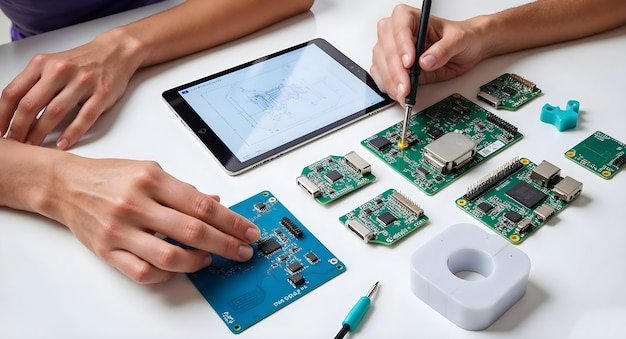
In the realm of electronics, “2m” holds significant sway, especially for enthusiasts and professionals dealing with radio communication and electronic components. From the casual hobbyist to the seasoned engineer, understanding the nuances of 2m electronic devices can unravel new opportunities in communication technology and beyond. This guide will explore the essential components, latest innovations, and practical applications of 2m electronics, providing a roadmap for both beginners and experts alike.
Overview of 2m Electronic Devices
The term “2m” primarily refers to the 2-meter band, a segment of the VHF radio spectrum used extensively in amateur radio. Devices operating within this frequency range are pivotal for efficient and reliable communication. Whether it’s a 2m radio, cable, or antenna, these components are crafted to meet specific technical standards, ensuring optimal performance in various environments.
Key Features and Specifications
2m electronic components are distinguished by their frequency range, typically between 144 to 148 MHz. Here are some critical specifications:
- Frequency Range: 144-148 MHz, ideal for VHF communication.
- Power Output: Varies by device, with radios often offering up to 100 watts.
- Compatibility: Designed to integrate with standard VHF antennas and coaxial cables.
Applications and Use Cases
The versatility of 2m electronics extends across multiple domains. Notably, their applications in amateur radio and IoT devices are gaining momentum. For instance, 2m ham radios provide a robust platform for amateur radio operators, enabling them to communicate over significant distances. In the automotive sector, 2m electronics are increasingly used to enhance vehicle communication systems, supporting both safety and entertainment applications.
Case Study: 2m Radios in Emergency Services
During natural disasters, reliable communication is crucial. 2m radios have proven invaluable for emergency responders, offering clear, long-range communication capabilities when cellular networks are compromised. Their ability to operate independently of conventional infrastructure makes them a preferred choice in crisis situations.
Benefits and Advantages
Choosing 2m electronic components comes with several advantages:
- Reliability: 2m devices are renowned for their consistent performance, even under challenging conditions.
- Cost-Effectiveness: Generally more affordable than higher-frequency alternatives, making them accessible to a broad audience.
- Community Support: A large community of amateur radio enthusiasts offers rich resources and support for newcomers.
Installation and Setup Guide
Step-by-Step Installation of a 2m Radio
Installing a 2m radio involves several key steps:
- Choose the Right Location: Ensure the radio is installed in a location with minimal interference and easy access.
- Antenna Setup: Connect a compatible VHF antenna to optimize signal reception.
- Power Connection: Securely connect the radio to a power source, checking for voltage compatibility.
- Testing: Perform a test to ensure all connections are secure and the device operates correctly.
Comparison with Competitors
When evaluating 2m electronics against other frequency bands, several factors stand out. For example, while UHF devices offer higher frequencies, 2m components provide better range and penetration through obstacles, making them ideal for certain applications.
Comparative Table: 2m vs. UHF Electronics
| Specification | 2m Electronics | UHF Electronics |
|---|---|---|
| Frequency Range | 144-148 MHz | 300-3000 MHz |
| Typical Applications | Amateur Radio, IoT | TV Broadcasting, GPS |
| Signal Range | Long | Medium |
Customer Reviews and Testimonials
Feedback from users highlights the durability and performance of 2m electronics. One amateur radio operator remarked, “My 2m radio has been a game-changer during field operations, providing reliable communication despite adverse conditions.”
Troubleshooting Common Issues
While 2m devices are generally reliable, users may encounter issues such as:
- Poor Signal Reception: Ensure the antenna is properly aligned and free from obstructions.
- Interference: Check for nearby electronic devices that may cause frequency disruption.
- Power Fluctuations: Verify all power connections and consider using a power stabilizer.
Frequently Asked Questions
- What is the best 2m radio for beginners?
Entry-level models from reputable brands like Yaesu and Icom are highly recommended for their ease of use and reliability. - How can I improve the range of my 2m communication device?
Using a high-gain antenna and ensuring clear line-of-sight can significantly enhance range. - What are the latest innovations in 2m electronic components?
Recent developments include integration with IoT systems and enhanced antenna designs for better efficiency. - Are there environmental concerns with 2m electronics?
While electronic waste is a concern, many manufacturers are adopting sustainable practices to mitigate environmental impact.
Key Takeaways
2m electronics offer a robust, versatile solution for communication needs across various sectors. Whether you’re delving into amateur radio or enhancing vehicular systems, understanding the capabilities and applications of 2m devices is crucial. For those interested in exploring further, consider engaging with the vast community of enthusiasts and professionals who can provide support and insights.
Ready to enhance your communication capabilities with 2m electronics? Explore our selection of top-rated devices and components to find the perfect match for your needs.
About the Author